Buying a Laundromat in Ontario
Buying an Ontario laundromat? Check cash revenue, utility records, equipment, lease rights, municipal approvals and prepaid customer balances.
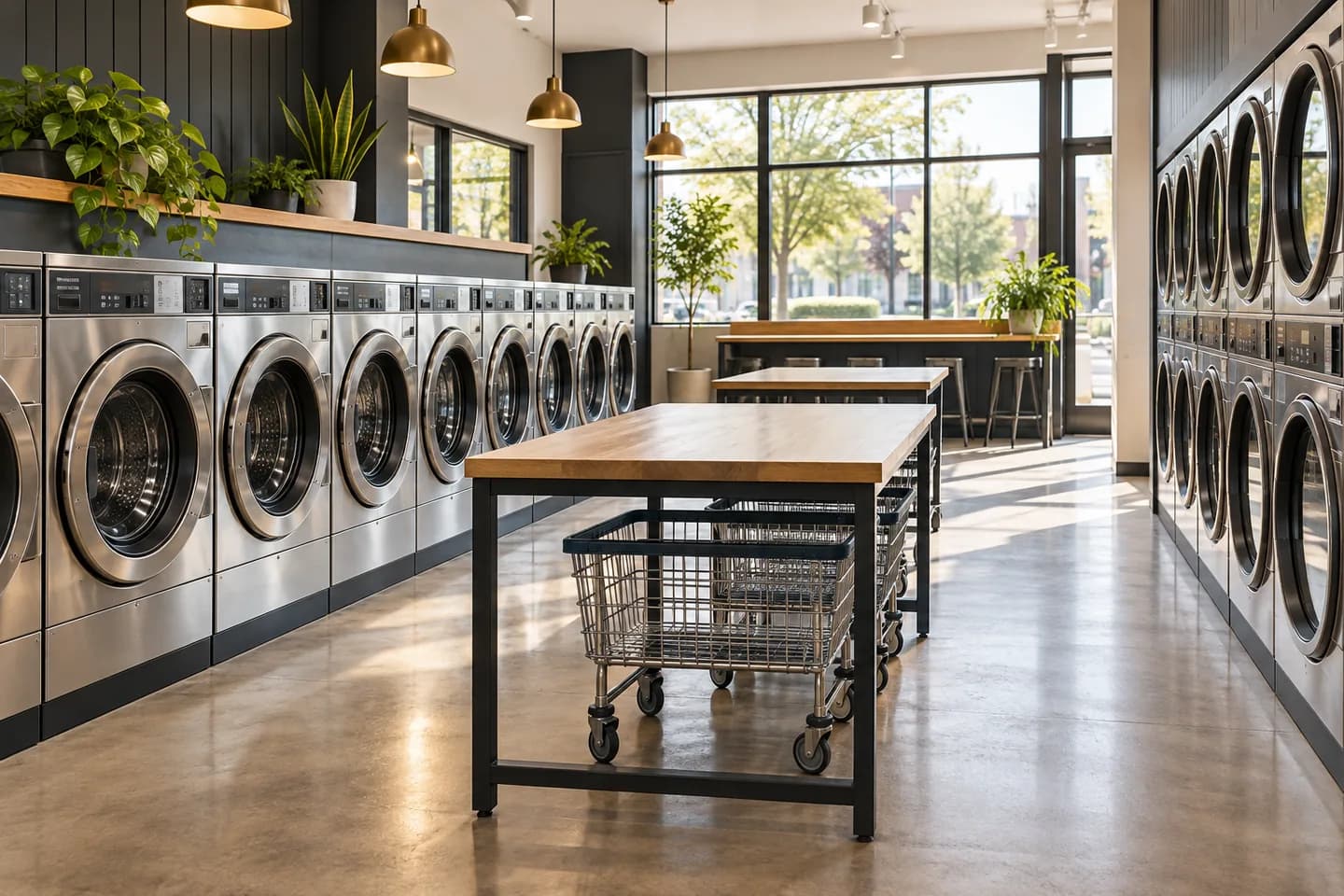
Verify income, equipment and premises
Buying a laundromat in Ontario requires evidence that the income is real, the machines can keep producing it, and the premises can legally support the operation you intend to run. A busy Saturday and a seller's estimate of weekly coin collections do not answer those questions.
Start by identifying whether the purchase includes self-service laundry, wash-and-fold, pickup and delivery, commercial accounts, or a dry-cleaning collection service. Each adds different labour, contract and customer obligations. Establish whether the seller owns the real estate or leases the space.
In an asset purchase, specify the equipment, business name, customer relationships and liabilities being acquired. In a share purchase, the corporation continues to own its assets and carry its obligations, including historical problems. Neither structure removes the need to check landlord and other third-party requirements. Use the Ontario business purchase checklist alongside a laundry-specific request list. This is general information; obtain legal, accounting and technical advice for the particular transaction.
For the broader purchase process and other sectors, visit the business acquisition hub and industry guide directory.
Your acquisition review map
Explore the key checksReconcile collections, machine activity and utility consumption
Request monthly financial statements, tax filings, bank deposits, coin collection records, card settlements and payment-platform exports for comparable periods. Break revenue into washers, dryers, vending, wash-and-fold and commercial laundry. Gross receipts can conceal sales taxes, refunds and money collected before services are delivered.
For cash machines, ask who collects the coins, how often collections occur, and how they are recorded. With appropriate arrangements, observe collections over a representative period and compare machine counters with the seller's records. Investigate unexplained counter resets and changes in machine prices. A brief observation period cannot establish annual revenue or seasonal demand.
Obtain original water, sewer, gas and electricity bills, ideally directly from the utility with the seller's authorization. Compare consumption over the same billing periods with reported business activity. Confirm whether meters serve only the laundromat or also apartments, neighbouring units or common facilities. Separate changes in consumption from changes in utility rates.
Utility consumption can corroborate reported activity; it does not prove cash revenue. Leaks, machine efficiency, wash settings, free cycles, hot-water systems and customer load choices affect consumption. There is no universal water-to-sales formula that reliably establishes this business's income. Unresolved differences should lead to further records, a revised price or a diligence condition. Have the accountant also normalize owner labour, maintenance and realistic replacement costs before assessing available cash flow.
Inspect equipment, ownership and replacement exposure
Build a machine schedule showing manufacturer, model, serial number, age, capacity, payment system and ownership status. Include dryers, water heaters, boilers if present, pumps, change machines, security systems, laundry scales and delivery vehicles. Match the schedule to what is physically on site.
Ask an independent commercial laundry technician to inspect operation under load. Review repair invoices, service logs, recurring error codes, parts availability, warranties and prolonged outages. An old machine that runs during a visit may still require expensive repairs or consume more utilities than the buyer expects. Inspect related drains, venting and hot-water capacity with appropriate specialists.
Some machines may be leased, financed or owned by a payment-system provider. Obtain the underlying agreements and payout statements, conduct appropriate lien searches, and arrange required releases or consents. A seller cannot convey clear ownership of equipment it does not own.
Allocate responsibility for equipment failures between signing and closing. If a major machine fails, the agreement should explain whether the seller repairs it, replaces it with an agreed equivalent, or accepts a price adjustment. Budget separately for near-term replacements rather than treating every installed machine as equally valuable.
For other customer businesses that rely on equipment, compare buying a car wash and buying a gym. Their machinery, premises and prepaid-customer discussions offer useful additional reading when evaluating different opportunities.
Count app wallets, laundry cards and unfinished customer orders
Cashless systems create obligations that a coin count will miss. Obtain reports for loaded customer wallets, stored-value laundry cards, promotional credits, loyalty rewards, refundable deposits, failed transactions and chargebacks. Distinguish cash paid by customers from bonus credit added by the operator.
Confirm whether the payment provider permits an account transfer, requires a new merchant account, or supports migrating balances to a new operator. Determine who holds customer funds, who controls refunds, and whether the buyer can export usable records. Administrative access alone does not establish a right to take over the platform contract.
The purchase agreement should identify which balances the buyer will honour, how the seller funds that obligation, and how discrepancies will be resolved. Avoid counting wallet loads as revenue and then counting the same value again when customers use machines.
Also inventory garments and bedding held for wash-and-fold or collection. Record order status, payments, promised pickup dates, missing-item complaints and damage claims. Agree who completes existing orders and handles a customer complaint received after closing about work performed beforehand.
Make the lease work for the machines and the customers
The value of installed laundry equipment depends heavily on its location. Review the remaining lease term, renewal options, rent increases, additional rent and any landlord redevelopment or termination rights. A purchase price based on years of future trading needs premises rights that support that assumption.
Check assignment and change-of-control clauses, landlord consent requirements and guarantees. Confirm permitted uses cover the actual operation, including wash-and-fold, commercial processing, delivery storage or extended hours where applicable. Ask whether any exclusivity provision protects against another laundry in the same development and understand its exceptions.
Laundry-specific lease issues include access to shutoff valves, drains and utility meters; responsibility for sewer blockages and leaks; dryer exhaust routes; roof penetrations; and rights to replace or remove equipment. Confirm who pays for upgrades if water, gas or electrical capacity is inadequate.
Customer access also matters: parking, loading, accessible entry, signage and access outside the shopping centre's normal hours can affect demand. Get oral promises into the relevant documents. Address restoration obligations for removing machines or plumbing before accepting the lease. These points belong in early commercial lease negotiations, while there is still time to resolve them.
Confirm municipal permissions and sewer requirements locally
Do not assume that an existing laundromat can continue unchanged under a new owner. Requirements depend on the municipality, premises and services provided. Toronto, for example, requires a Laundry licence for businesses offering laundry, washing, ironing or dry-cleaning services; its application materials also address occupancy and zoning review. Confirm the acquisition requirements directly with the City's licensing staff rather than treating the seller's licence as automatically transferable. Toronto laundry licensing requirements provide a local example, not an Ontario-wide rule.
Ask the relevant municipal departments to confirm permitted uses, outstanding orders and the approvals needed for proposed plumbing, ventilation, equipment or layout changes. Obtain available building, fire and inspection records. A plan to add larger machines or commercial processing deserves a fresh capacity and approvals review.
Request sewer inspection correspondence, sampling results, maintenance records and any discharge agreements or pollution prevention filings. Toronto's Pollution Prevention Program sets requirements for specified sectors, including dry cleaners and commercial laundries, and addresses changes of ownership or processes. Ask Toronto Water which category and requirements apply to the actual operation. Outside Toronto, confirm the local water and sewer rules; do not copy Toronto's process into the agreement as a universal requirement.
Investigate dry-cleaning history without confusing the businesses
A water-based self-service laundry and an operation using dry-cleaning solvents require different environmental inquiries. Ask whether dry cleaning has ever occurred on site, whether the store only receives garments for an off-site cleaner, and what earlier occupants did. Review neighbouring uses as well as the seller's current activities.
Environment and Climate Change Canada's PERC regulations information concerns users of tetrachloroethylene in dry cleaning and specified participants in its supply chain. It does not establish that every coin laundry is a PERC dry cleaner.
Where site history raises concerns, obtain environmental advice about appropriate assessment, records and testing. Buying assets does not guarantee freedom from environmental exposure, and a seller indemnity does not prevent a regulator or landlord from asserting its own rights. Match contractual protection and insurance review to the findings, especially if real estate is included.
Separate service contracts from the owner's unpaid work
Wash-and-fold and commercial accounts can make the business depend on staff and relationships as much as machines. Review agreements with gyms, salons, restaurants, accommodation providers and other customers. Identify termination rights, assignment or change-of-control provisions, pricing, turnaround promises, damaged-linen obligations and unpaid invoices.
Compare account sales with labour, supplies, delivery and repeat-wash costs. A large customer may generate impressive volume while receiving a price that leaves little margin. Confirm customer-owned linen is excluded from the equipment or inventory being sold. Do not assume a customer's relationship with the seller will continue without a documented transition.
Request employee agreements, payroll records, schedules, accrued entitlements and details of owner and family work. A supposedly unattended business may rely on daily cleaning, cash collection, customer assistance and emergency callouts that the owner never expenses.
Ontario's employment continuity guidance explains that qualifying continued employment following a business sale preserves prior service for ESA entitlements. Have counsel assess the applicable obligations and employment offers. Dividing employment costs between buyer and seller does not determine employees' statutory rights.
Use findings to set the price: a hypothetical example
Suppose a buyer agrees in principle to purchase a laundromat based on reported collections and a long remaining lease. Diligence then reveals that several washers are leased, customer app balances remain outstanding, and a large wash-and-fold customer can terminate its contract on short notice. This is a hypothetical illustration, not a client account.
The buyer needs to reconsider both price and what is being acquired. The equipment schedule should exclude leased assets unless an acceptable assumption or buyout is arranged. Customer balances need an agreed adjustment and funding mechanism. The commercial customer's future business should not be treated as guaranteed.
Depending on the findings, the parties might negotiate a lower price, a defined holdback or a carefully drafted payment tied to retained business. Each needs objective calculations, access to records and dispute procedures. Use the asset versus share sale comparison tool to frame the structure discussion, and have an accountant review price allocation and tax treatment. The headline price alone cannot capture these obligations.
Close with a usable handover and a clear adjustment process
Set conditions around financing, satisfactory inspections, landlord arrangements, required permissions and essential contract consents. The purchase letter of intent guide can help identify these dependencies before the definitive agreement is negotiated.
At closing, reconcile coin floats, wallet balances, supplies, outstanding orders, receivables and utility meter readings using agreed records and cutoffs. Specify how later utility bills and payment settlements will be allocated. Obtain required lender discharges and delivery of equipment title documents.
The operational handover should include keys, alarm access, machine programming credentials, payment-provider access, service contacts and emergency procedures. Arrange training on collections, refunds, lint removal and handling leaks or machine failures. Transfer accounts through each provider's authorized process and protect customer information.
Agree a limited transition period with defined hours and responsibilities. Identify who answers customer complaints during the first weeks and how unresolved pre-closing claims reach the seller. Document these tasks before releasing the funds that depend on their completion.
Three common laundromat purchase questions
Can water bills verify the seller's cash sales?
They can support a reasonableness check, but cannot prove sales. Reconcile consumption with collections, machine records, deposits and payment reports, allowing for leaks, shared meters and changes in equipment.
Does buying the machines include the right to stay in the premises?
Equipment ownership and occupancy rights are separate. Confirm the lease, landlord requirements and any removal or restoration obligations before committing to the purchase.
Who pays for customers' unused app balances?
The agreement should identify the obligations assumed, the amount credited to the buyer and the payment provider's migration process. Verify actual reports and account terms; do not leave this to an informal promise that balances will be sorted out later.
Turn the diligence results into purchase terms
A sound laundromat purchase connects verified revenue with serviceable equipment, secure premises rights and an achievable approvals process. Record the unresolved issues, price their consequences and assign responsibility for resolving them.
Use the interactive due diligence checklist to organize the documents. Lamba Law provides legal help with buying a business, including purchase terms, lease arrangements, consents and closing obligations tailored to the operation you are acquiring.
Primary sources
This guide was checked against the following legislation, regulator guidance, and government materials. Requirements can change after the date shown above.
- Laundromats, Laundry Depots & Dry Cleaning — City of Toronto
- Pollution Prevention (P2) Program — City of Toronto
- Tetrachloroethylene (PERC) regulations — Environment and Climate Change Canada
- Continuity of employment — Ontario Ministry of Labour, Immigration, Training and Skills Development
Lamba Law
Discuss Your Business Purchase
Ask about this topic in a free initial consultation. We’ll carry the guide and relevant service into your request, so you won’t need to start from scratch.
Prepared by Lamba Law
This article provides general legal information, not advice for a particular matter. Legal, tax, valuation, regulatory, and foreign-law questions should be reviewed by the appropriate professional.