Buying a Car Wash in Ontario
Buying a car wash in Ontario? Review wastewater approvals, subscription balances, equipment uptime, traffic access and verified cash flow before closing.
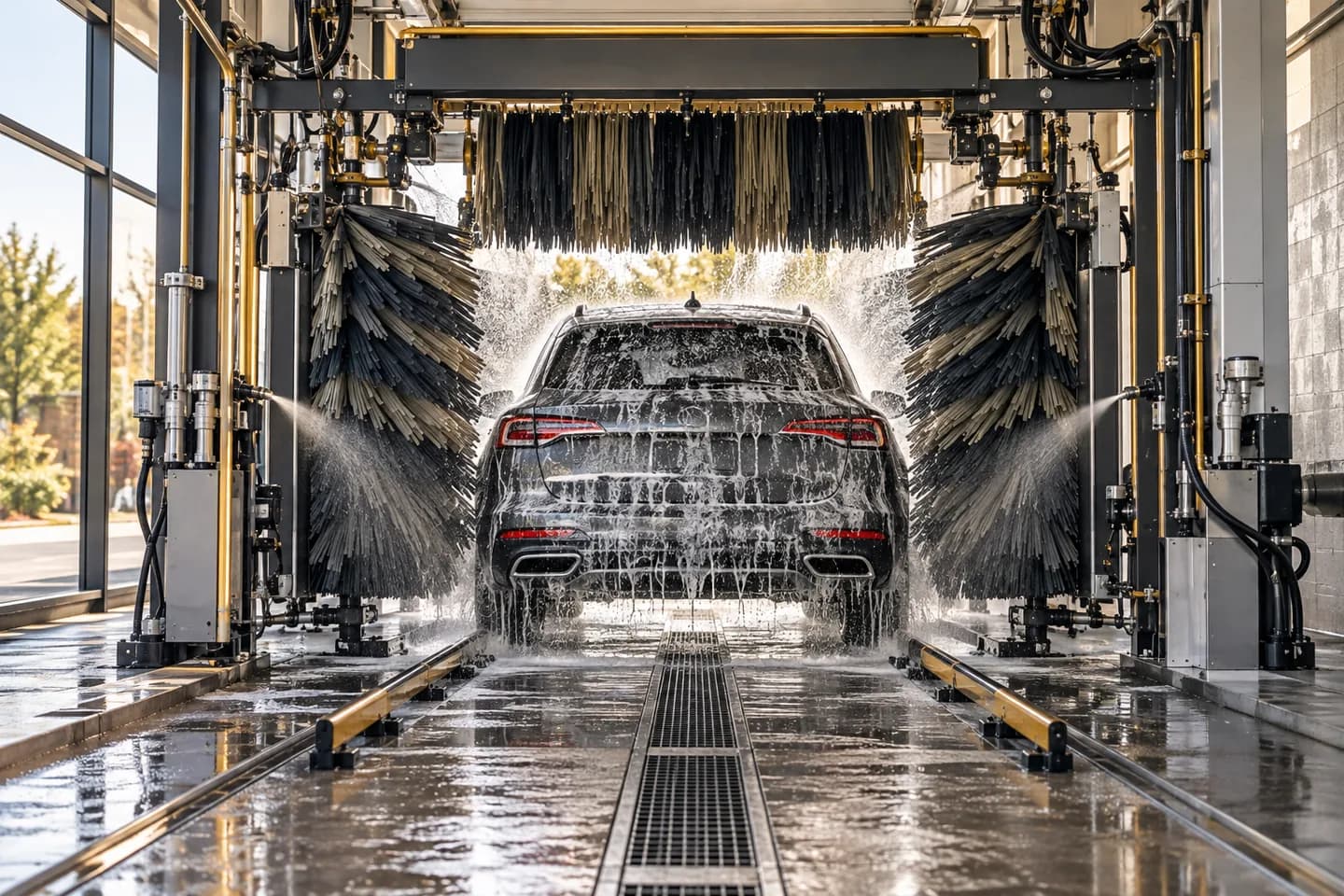
Start with the drains, the equipment and the cash
Buying a car wash in Ontario means acquiring a site-dependent operation whose revenue can stop when a pump fails, a drain backs up or customers cannot enter the property. Before committing to a price, establish that reported sales are supportable, the wash can operate lawfully at that location and the equipment can deliver the service already sold to customers.
The deal should connect those findings to enforceable conditions, price adjustments and a workable transition. A profitable-looking business can still carry costly subscription obligations, deferred maintenance or unresolved wastewater issues. Use the broader Ontario business purchase checklist alongside the sector-specific enquiries below. This guide provides general information; obtain legal, accounting and technical advice for the particular transaction.
For the broader purchase process and other sectors, visit the business acquisition hub and industry guide directory.
Your acquisition review map
Explore the key checksUnderstand which operating model you are buying
A conveyor tunnel, an in-bay automatic wash and a self-serve site earn money differently. A tunnel depends on throughput, vehicle spacing, staffing and the reliability of interconnected machinery. An in-bay wash may need fewer attendants but loses that bay's production during a breakdown. A self-serve site requires attention to individual bay availability, payment controls, cleaning and collection practices.
Compare actual operating results by bay, wash programme and revenue channel. Separate vending, vacuums and detailing from vehicle-wash sales. Request usage records for subscriptions as well as sales: an unlimited member's repeated visits consume chemicals, utilities and equipment life without generating another wash charge.
Build a budget using verified expenses, realistic maintenance and replacement needs, and the labour required after the seller leaves. Test ordinary trading conditions and a prolonged equipment outage. There is no universal valuation multiple that substitutes for those facts. The asset versus share sale comparison tool can help frame a separate question: which entity, property interests and obligations will you acquire?
Reconcile coins, cards and wash counts
Ask for a representative operating history that includes seasonal peaks, quieter periods and recent performance. Obtain financial statements, sales records, bank deposits, merchant statements, subscription reports and the underlying wash-controller data. Summary spreadsheets prepared for the sale need corroboration.
For coin-operated bays, examine collection logs, counter readings, banked cash and token purchases. Establish whether cash expenses were paid before deposits and whether tokens sold previously remain redeemable. For card transactions, reconcile gross sales to settlement deposits after refunds, chargebacks and processing fees. Identify any personal or related-party accounts used to receive money.
Compare recorded paid washes with controller cycles, allowing for rewashes, staff tests, complimentary washes and subscription visits. Investigate gaps instead of treating every cycle as a retail sale. Check whether fleet customers pay on account and whether receivables are collectible.
Water, electricity, gas and chemical purchases can help identify inconsistencies. They cannot prove revenue through a fixed conversion formula: leaks, reclaim systems, wash settings and customer behaviour affect consumption. Analyse abnormal months with maintenance records and weather-related closures. If material cash sales remain unverifiable, reflect that uncertainty in the price or make further verification a condition of proceeding.
Price the subscriptions and customer credits still to be honoured
An active membership list is useful only when members are paying, remaining enrolled and receiving service on sustainable terms. Review monthly collections, failed payments, cancellations, introductory discounts and usage by membership tier. Separate genuine recurring customers from dormant accounts and prepaid annual plans.
Request the customer terms, billing authorizations, cancellation process and records of refunds or complaints. Confirm how the subscription platform and payment processor handle a change of operator, including whether recurring payment credentials can migrate. Do not assume an exported customer list enables the buyer to continue charging cards.
Agree who will honour prepaid washes, gift cards, tokens, fleet credits and memberships spanning closing. The seller may have received the cash while the buyer must provide the remaining service. An accountant should help distinguish the accounting balance from the commercial cost and risk of fulfilment.
Specify an adjustment method, a closing balance report and responsibility for later chargebacks relating to earlier sales. Coordinate customer notices and any necessary permissions before changing billing arrangements. Abruptly cancelling accepted credits can undermine the goodwill being purchased.
Trace every drain and verify wastewater permissions
A sewer connection does not establish that all wash water may enter it. Obtain drainage drawings identifying sanitary and storm connections, treatment equipment, sampling locations and any reclaim system. Have an appropriate specialist compare the drawings with the actual installation, including outdoor wash areas and overflow routes.
As a local example, Toronto's vehicle-washing guidance says commercial car washes must follow City practices that include treating wastewater and discharging it to the sanitary sewer. It also explains that outdoor washing wastewater must not reach catch basins and that indoor disposal may need treatment to meet sanitary sewer limits. Those are Toronto requirements; obtain the applicable municipality's requirements for the actual site.
Request sewer-use correspondence, discharge agreements or permissions, sampling results, inspection reports, complaints and notices. Review sediment and oil-interception equipment, cleaning records and waste-removal invoices. Ask the municipality and environmental adviser which municipal or provincial approvals apply, whether changes are needed for the proposed operator and whether planned expansion changes the position.
Assign required corrective work, verification and cost responsibility before closing. A seller's statement that the site has operated for years is insufficient evidence of compliance. Track these requests in the interactive due diligence checklist.
For a wash attached to a fuel site, continue with buying a gas station. Buyers comparing other businesses that rely on equipment can also use the laundromat purchase guide for its treatment of utilities, machines and the lease.
Investigate the property history before accepting environmental risk
Review environmental reports even if the transaction includes only a lease. Investigate former automotive uses, fuel storage, chemical handling, historical spills and neighbouring activities identified by the consultant. Ask whether existing reports cover the entire property and whether the buyer and lender may rely on them.
Ontario's phase one environmental assessment guide describes records review, interviews, site reconnaissance and evaluation of the information as assessment components. A quick walk around the wash does not provide that investigation. Retain an environmental professional to determine the appropriate assessment scope and whether intrusive testing is warranted.
Match the investigation to the proposed use, financing and property arrangement. Do not assume every purchase requires a record of site condition or that an old report establishes present conditions. Negotiate access for further testing early. Have counsel assess environmental exposure under either purchase structure; a buyer-seller cost allocation does not by itself resolve statutory liability or a landlord's rights.
Inspect equipment under operating conditions
Arrange an independent inspection with someone familiar with the particular wash technology. Run the equipment through its programmes and review maintenance records against breakdowns and customer complaints. A demonstration during a quiet period may reveal little about sustained throughput.
The inspection scope should address:
- Conveyor chains, rollers, guidance systems and emergency stops at a tunnel wash.
- Pumps, motors, compressors, water heaters, dryers and chemical-dosing equipment.
- Bay doors, heating and freeze protection, including shutdown procedures.
- Reclaim tanks, filtration, sediment accumulation and drainage performance.
- Controllers, payment terminals, remote access and replacement-part availability.
Obtain serial numbers, ownership records, leases and financing details. Verify that equipment described as included belongs to the seller and identify security interests requiring discharge. Review service agreements, software subscriptions, warranty coverage and whether suppliers will support the buyer.
Ask the inspector to distinguish immediate repairs from foreseeable replacements and optional upgrades. Use written estimates when negotiating price or a repair holdback. Explain in the agreement how required repairs will be tested and accepted. Account for business interruption while replacement work occurs, including customer refunds and continued rent or payroll.
Protect the entrance, queue and lease term
A busy road is valuable only if drivers can reach and use the wash. Observe access from each travel direction, queue length, turning movements and the interaction between vehicles waiting to wash and those using vacuums. Check boundaries and any shared driveway or parking rights. Investigate roadworks or proposed access changes with the relevant road authority.
For a property accessing a provincial highway, Ontario's highway corridor guidance says an entrance permit is needed to validate an existing permitted entrance for purchased property; entrance permits do not change ownership with title. Confirm the process with the Ministry of Transportation where applicable. Municipal-road access requires its own enquiries.
If the site is leased, examine permitted use, assignment and change-of-control provisions, renewal options, signage, operating hours and responsibility for underground infrastructure. Determine who pays for drainage repairs, utility upgrades and environmental work. Consider whether the remaining term supports the equipment investment you expect to make.
Obtain landlord consent and an appropriate confirmation of lease status where required. The guide to commercial lease negotiations explains other terms that can affect the acquisition's economics.
Make the agreement address people and identified liabilities
In an asset purchase, specify the equipment, inventory, brand, contracts and liabilities being acquired. In a share purchase, the company continues with its existing history and obligations. Neither structure eliminates the need to examine operating permissions, environmental exposure, employee arrangements or contractual consent requirements.
Ontario's employment continuity guidance explains that prior service is recognized for applicable Employment Standards Act entitlements when a business is sold and employees continue with the purchaser, subject to the statutory rules. Do not budget on the assumption that retained attendants and managers start with no service history. Review employment terms, accrued vacation, payroll records and outstanding claims with counsel.
Identify the manager or technician who can diagnose faults, reset controllers and manage chemical deliveries. Secure an orderly handover of that knowledge. If the seller performs substantial unpaid maintenance or administration, include its replacement cost in the budget.
Set diligence conditions and access rights while negotiating what to include in a purchase letter of intent. The final agreement should address disclosed defects, deferred subscriptions, equipment liens, consent failures and the evidence required before funds are released.
A hypothetical closing problem and the handover it suggests
Suppose a buyer agrees to purchase a tunnel wash with a strong subscription book. Diligence then reveals that many annual plans were collected recently, the main pump needs replacement and the payment provider has not confirmed recurring-billing migration. This is a hypothetical illustration, not a reported client matter.
The headline revenue does not resolve those issues. The buyer needs a supported adjustment for service obligations, a plan for the pump and confirmation that customer billing can continue lawfully and technically. Depending on the findings, the parties might agree to repairs, a price adjustment, a defined holdback or a delayed closing. The agreement should say what happens if the required condition cannot be met.
At handover, record cash and token balances, customer credits, chemical inventory, meter readings and equipment condition. Transfer authorized platform access, keys, manuals and supplier contacts. Test payments and emergency procedures, confirm insurance placement and allocate subscription receipts around closing. A defined training period should cover both ordinary operation and foreseeable faults.
Questions buyers commonly ask
Can I keep the seller's wastewater permissions?
Confirm each document with the issuing authority. Requirements depend on the municipality, infrastructure and transaction. An existing permission or agreement should be reviewed for operator changes, conditions and proposed alterations before relying on it.
Is a self-serve car wash a passive investment?
It may require less on-site staffing than a tunnel, but the buyer still needs reliable cleaning, cash controls, maintenance, winter operation and incident response. Price the people and contractors needed to perform the seller's work.
Should I buy the property as well as the business?
Owning the site gives different control and financing options from leasing, while adding property condition and environmental considerations. Compare the complete acquisition cost with a lease's rent, remaining term, renewal rights and repair obligations. Review the structure with legal and tax advisers before deciding.
Build the purchase around evidence
A sound car wash acquisition connects verified collections, reliable equipment, suitable access and workable wastewater arrangements. Resolve uncertainties while you can still change the terms. Lamba Law provides legal help with buying a business, including purchase agreements, lease issues and closing arrangements. Contact Lamba Law to discuss the proposed car wash purchase and the diligence it needs.
Primary sources
This guide was checked against the following legislation, regulator guidance, and government materials. Requirements can change after the date shown above.
- Washing Cars & Outdoor Surfaces — City of Toronto
- Guide for completing phase one environmental site assessments under Ontario Regulation 153/04 — Ontario Ministry of the Environment, Conservation and Parks
- Highway corridor management — Ontario Ministry of Transportation
- Continuity of employment: Your guide to the Employment Standards Act — Ontario Ministry of Labour, Immigration, Training and Skills Development
Lamba Law
Discuss Your Business Purchase
Ask about this topic in a free initial consultation. We’ll carry the guide and relevant service into your request, so you won’t need to start from scratch.
Prepared by Lamba Law
This article provides general legal information, not advice for a particular matter. Legal, tax, valuation, regulatory, and foreign-law questions should be reviewed by the appropriate professional.