Buying a Restaurant in Ontario
Buying a restaurant in Ontario? Review liquor approvals, leases, kitchen systems, delivery accounts, employee tips and prepaid customer obligations.
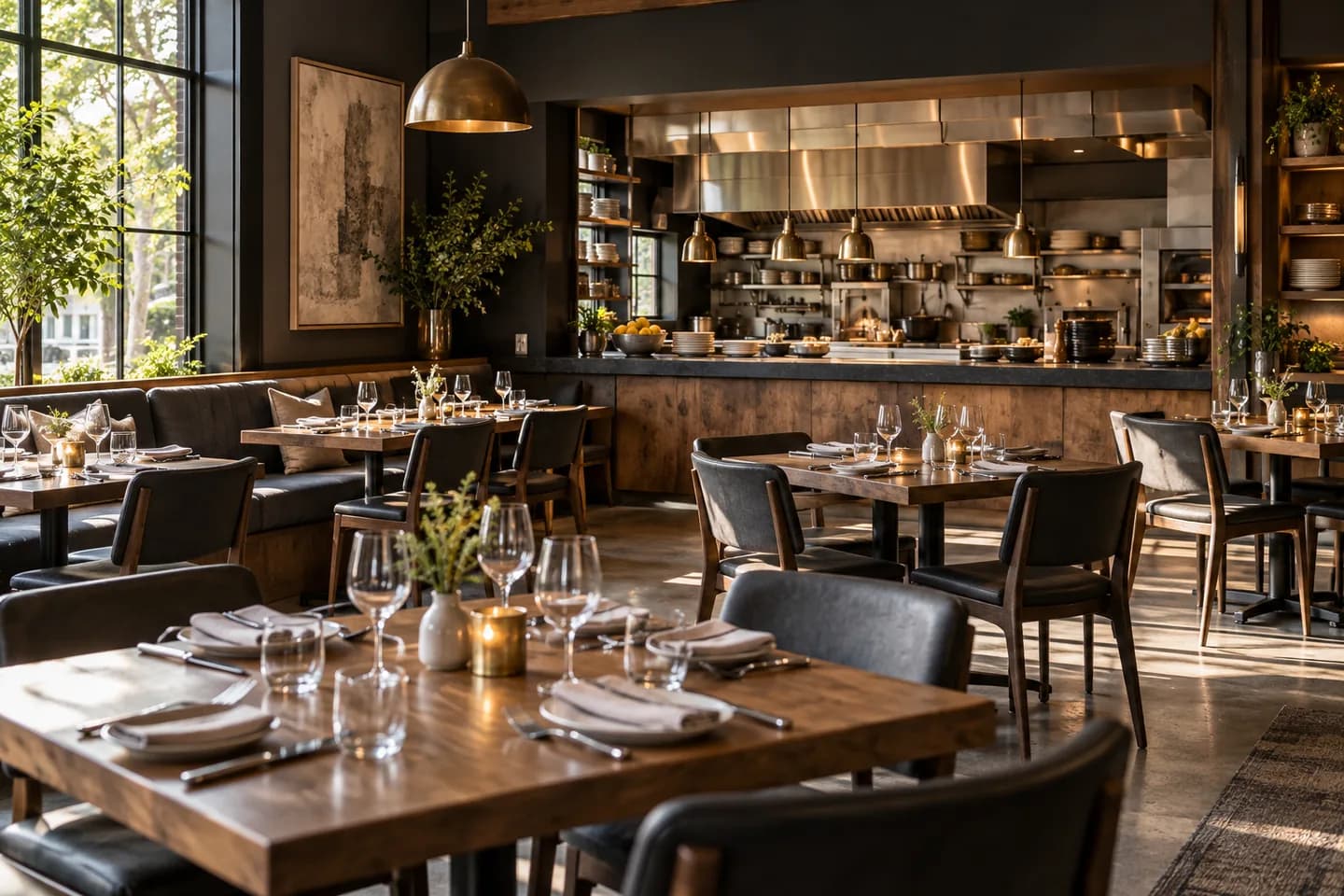
Assess the restaurant’s operating requirements
Buying a restaurant in Ontario means acquiring the ability to serve the next customer profitably and lawfully. Tables, kitchen equipment and an established name have limited value if the lease does not support your menu, alcohol service cannot continue, or the seller has already collected money for meals you must provide. Start by identifying what drives this particular restaurant: dinner service, liquor sales, private events, delivery or a combination.
Your investigation should connect those revenue streams to the premises, approvals, people and contracts needed to maintain them. A successful inspection last year or a busy Saturday evening does not answer whether the buyer can operate after closing. Use the broader Ontario business purchase checklist alongside the restaurant-specific requests below. This article provides general information; obtain legal, accounting and regulatory advice for the proposed transaction.
For the broader purchase process and other sectors, visit the business acquisition hub and industry guide directory.
Your acquisition review map
Explore the key checksChoose the structure before negotiating the final price
In an asset purchase, define the equipment, inventory, brand, website, telephone numbers, recipes, bookings and contracts being acquired. List assumed obligations expressly, including any gift cards or event deposits. The seller's corporation usually remains separate, but an agreement allocating liabilities does not eliminate obligations imposed on the buyer by law.
In a share purchase, the restaurant company continues to own its assets and remains responsible for its liabilities. Investigate its historical payroll, taxes, litigation, food-safety issues and supplier debts accordingly. Keeping the same corporation also does not guarantee that licences, the lease or delivery contracts are unaffected: ownership changes can trigger separate requirements.
The asset versus share sale comparison tool can help frame the discussion. Before signing a letter of intent, identify the proposed structure, included assets, deposit arrangements, access to records and conditions for financing, premises and regulatory approvals. The guide to what to include in a purchase letter of intent explains why these early terms matter.
Rebuild revenue from covers, orders and settlements
Request monthly financial statements, tax filings, bank deposits and point-of-sale exports covering comparable seasons. Separate food, alcohol, delivery, catering and private-event sales. Look for discounts, voids, refunds, complimentary meals and service charges before accepting the seller's revenue summary.
Reconcile delivery-platform orders to settlement statements and deposits. Gross menu sales are different from cash remaining after commissions, advertising, refunds and packaging. Similarly, a large banquet deposit may increase cash without representing a completed, profitable event. Test food and beverage margins against supplier invoices, waste records and current menu prices.
Ask an accountant to assess owner compensation, related-party expenses and the cost of replacing a working owner or chef. A restaurant dependent on unpaid family work may need a very different payroll after closing. Build a cash-flow forecast that includes rent increases, equipment repairs, ingredient costs and possible interruption of alcohol or patio service. Do not pay for projected expansion until its approvals, staffing and costs have been examined.
Secure the lease, permitted use and patio rights
Read the complete lease, amendments and any side agreements. Identify assignment requirements, change-of-control clauses, renewal rights, rent adjustments, security deposits and personal guarantees. A short remaining term can undermine the value of substantial kitchen improvements. Obtain the landlord's written agreement to the transaction where required and confirm the status of rent and other defaults.
The permitted-use clause should accommodate your actual operation: cuisine, hours, takeout, alcohol, entertainment, catering and delivery pickup. Review restrictions imposed by neighbouring tenants' exclusive rights. Clarify responsibility for roof penetrations, exhaust ducts, grease interceptors, fire suppression and restoration when the lease ends. These are useful priorities for commercial lease negotiations.
Treat a patio as a separate diligence item. Confirm whether it occupies leased private property, common space or municipal land, and inspect the relevant permissions. Landlord consent, municipal permission and alcohol authorization address different questions. Photographs of outdoor tables do not establish that the buyer can keep using the same area, capacity or season.
Make alcohol authorization a closing workstream
If liquor sales contribute to earnings, obtain the current licence, approved premises information, conditions, endorsements and inspection or enforcement correspondence. Confirm that the legal licence holder matches the seller's explanation and investigate any difference between approved areas and actual service, particularly patios and private rooms.
Ontario's liquor legislation provides that prescribed ownership changes or a change of licensee require the Registrar's transfer, subject to regulatory exceptions. A purchase agreement alone therefore does not authorize the buyer to operate under the seller's licence. See the Liquor Licence and Control Act, 2019.
Ask the AGCO which transfer, application, disclosure or other process applies to the proposed asset or share transaction. Do not assume share purchases avoid regulatory review. Establish who prepares documents, supplies seller consents and follows up on outstanding requirements. Make the closing conditions and extension provisions reflect the approvals needed for the intended operation. If approval is delayed, assess the financial consequences before agreeing to a revised closing arrangement; do not build the plan around an assumed right to sell alcohol meanwhile.
Inspect food safety and the kitchen's hidden infrastructure
Obtain public-health inspection reports, orders, complaint correspondence and evidence that deficiencies were corrected. Ask the local public-health unit what notification and inspection steps apply to the ownership change and your proposed menu. Toronto expressly requires notification before operation, including when purchasing an existing food premises, and publishes inspection results through DineSafe. Its food-business guidance illustrates why an existing restaurant still needs buyer-specific enquiries.
Have qualified specialists inspect refrigeration, dishwashing, drainage, pest exclusion, electrical capacity, the cooking hood and fire-suppression system. Request approved drawings, permit records, final inspection evidence, cleaning logs and service contracts. Determine whether the equipment supports your intended cooking methods.
Exhaust and grease systems deserve particular attention. Hamilton lists installing commercial cooking exhaust and grease interceptors among work requiring building permits; see its small-business permit guidance. Confirm the requirements with the actual municipality rather than treating one city's process as province-wide. Investigate unapproved alterations and outstanding work before allocating repair costs or waiving conditions.
For a restaurant with a coffee counter or in-house production, continue with buying a cafe and buying a bakery. These guides expand the review of supplier arrangements and production equipment.
Find out who controls delivery customers and the brand
Create a separate schedule for delivery platforms, online ordering, reservations, payment processing, website hosting and loyalty software. Review assignment and ownership-change provisions with each provider. An account login is not evidence that the buyer may take over the agreement, ratings, transaction history or payout settings.
Determine which customer relationships belong to the restaurant and which are mediated by a platform. Check whether customer data can lawfully and contractually be disclosed and used for the buyer's intended purposes. Budget for account onboarding or lost marketing access where continuity is uncertain. Arrange a controlled handover of administrator access and payment credentials.
The brand schedule should identify trade names, domains, social accounts, menu designs, photographs and recipe documentation. Ask who created them and whether employees, photographers, designers or the chef retained relevant rights. Discuss IP ownership and assignments before attributing substantial value to the menu or online following. Specify the seller's transition assistance and any continued use of the name.
Price gift cards, event deposits and unpaid tips separately
Request a gift-card balance report, loyalty liabilities and a booking register showing deposits, agreed menus, prices, cancellation terms and service dates. Reconcile these to accounting records and inspect older or manually issued vouchers. Identify promotions sold through third parties.
If the buyer will honour these commitments, negotiate an adjustment, transferred funds or other funding arrangement based on the obligations accepted. A prepaid wedding dinner includes food, staffing and potential refund exposure; its deposit is not simply spare cash. Set rules for redemptions, chargebacks and disputes relating to pre-closing sales.
Keep employee tips separate from the purchase-price cash calculation. Ontario generally prohibits employers from withholding or deducting employee tips except as permitted by employment standards legislation. Review the province's tips guidance, including tip-pool arrangements. Obtain records of undistributed gratuities and the last distribution. Specify who pays amounts earned before closing and how late card settlements will be reconciled. A provision between buyer and seller cannot waive employees' statutory rights.
Plan for the people who make dinner service work
Review employee agreements, tenure, compensation, hours, vacation balances, overtime, benefit commitments and outstanding complaints. Match payroll to the actual roster, including family members, casual banquet staff and anyone described as an independent contractor. Confirm the availability of the chef, kitchen manager and experienced front-of-house staff without assuming the sale obliges them to stay.
Ontario employment standards continuity rules can preserve service when employees of a sold business are hired by the purchaser, subject to the applicable conditions. An asset purchase should not be modelled on the assumption that every employee starts with zero service. Obtain advice on statutory entitlements, contractual rights and any common-law exposure before issuing offers or proposing terminations.
Agree who communicates with employees, when offers will be delivered and how outstanding payroll amounts are funded. Review food-handler and alcohol-service training records relevant to employees' roles. If the owner is the chef, define any agreed training period, recipe handover and supplier introductions with concrete deliverables.
Turn diligence findings into closing protections
Hypothetical issue: A buyer agrees to acquire a full-service restaurant whose advertised earnings include summer patio dinners and private events. Diligence reveals that the outdoor seating permission needs further confirmation, several event deposits have been spent, and the delivery account cannot simply be reassigned. The equipment list alone would not have exposed these issues.
The buyer can then assess a revised price, funded deposit obligations, provider onboarding and conditions tied to the necessary premises permissions. If essential continuity cannot be established, the contract should provide a clear decision point before the buyer becomes unconditionally committed.
Translate findings into specific representations, disclosure schedules, conditions, adjustments and indemnities. Consider whether a holdback is warranted for identified liabilities and whether the seller has the means to satisfy its promises. Complete lien searches and obtain appropriate lender releases for purchased equipment. Identify leased, rented or supplier-owned items separately.
At closing, count usable inventory and record exclusions for spoiled, expired or unsuitable stock. Document keys, access codes, equipment manuals, supplier contacts, pending orders, bookings and outstanding customer issues. Set a cutoff for card receipts, platform settlements and refunds. Schedule a post-closing reconciliation and assign a person to resolve discrepancies.
Common questions about buying an Ontario restaurant
Does a restaurant purchase include the liquor licence?
The contract should address the licence, but signing it does not itself give the buyer authority to sell alcohol. Confirm the required AGCO process for the actual ownership structure and make the transaction timetable reflect it.
Can I rely on the seller's clean health inspection?
It is useful evidence about a particular inspection, not a substitute for reviewing the history, equipment condition and proposed operation. Contact the local public-health unit about ownership-change notification and any inspection requirements.
Must I honour the seller's gift cards and event bookings?
That depends on the transaction structure, assumed contracts, applicable law and customer commitments. Identify the balances and obligations before negotiating the price. Decide how accepted commitments will be funded and communicated instead of leaving staff to resolve them after closing.
Build the purchase around the first service after closing
Before waiving conditions, confirm that the premises, approvals, people, suppliers and ordering channels can support the restaurant you intend to run. Keep unresolved items visible in an interactive due diligence checklist, with an owner and closing consequence for each. Lamba Law provides legal help with buying a business, including restaurant purchase agreements, lease issues and the allocation of closing risks.
Primary sources
This guide was checked against the following legislation, regulator guidance, and government materials. Requirements can change after the date shown above.
- Liquor Licence and Control Act, 2019 — Government of Ontario
- Starting a Food Business — City of Toronto
- Building Permits for Small Businesses — City of Hamilton
- Tips or other gratuities — Ontario Ministry of Labour, Immigration, Training and Skills Development
- Part IV — Continuity of employment — Ontario Ministry of Labour, Immigration, Training and Skills Development
Lamba Law
Discuss Your Business Purchase
Ask about this topic in a free initial consultation. We’ll carry the guide and relevant service into your request, so you won’t need to start from scratch.
Prepared by Lamba Law
This article provides general legal information, not advice for a particular matter. Legal, tax, valuation, regulatory, and foreign-law questions should be reviewed by the appropriate professional.