Buying an Auto Repair Shop in Ontario: What to Check Before Closing
Buying an Ontario auto repair shop? Review repair authorizations, technicians, diagnostic licences, equipment, warranty claims, leases and closing risks.
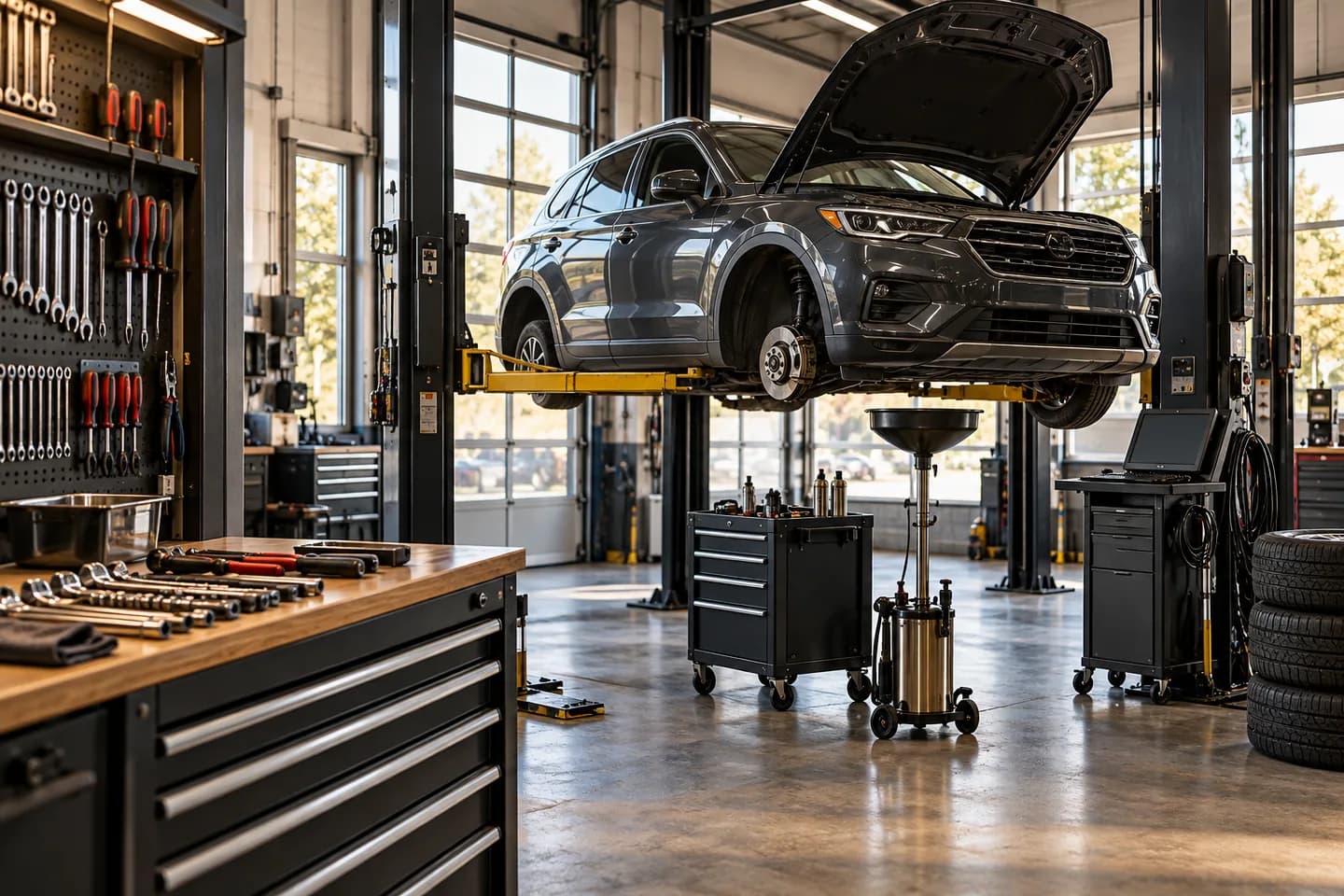
Check the Repair Operation Before Buying Goodwill
Buying an auto repair shop in Ontario means acquiring the ability to diagnose, authorize, complete and collect payment for repairs consistently. A garage can have attractive equipment and strong reported sales while depending on one departing technician, undocumented customer approvals or diagnostic subscriptions that the purchaser cannot use.
Start with three questions: who generates the work, who can legally and practically perform it, and what must remain in place for customers to return? A general mechanical shop has different risks from a collision centre or tire retailer. Its value may depend on service-adviser relationships, repeat maintenance records, fleet approvals, technical knowledge and reliable access to repair information.
Use the Ontario business purchase checklist for the broader transaction process, then add a repair-specific diligence list. Ask for enough time to inspect actual work orders and observe operations with appropriate confidentiality controls. A broker's summary and equipment schedule are useful starting points, but they do not establish sustainable earnings. This guide provides general information; obtain legal, accounting and technical advice for the particular acquisition.
For the broader purchase process and other sectors, visit the business acquisition hub and industry guide directory.
Your acquisition review map
Explore the key checksDefine the Deal Before Paying for Goodwill
An asset purchase normally identifies selected equipment, inventory, goodwill, business names and other assets, together with expressly assumed obligations. A share purchase changes ownership of the corporation that continues operating the garage, carrying its history with it. Contractual liability allocations do not remove liabilities imposed by law.
Compare the structures with counsel and the accountant using an asset-versus-share comparison. Map the legal owner of every important asset: a scan tool may belong to a technician, the compressor may be leased, and the phone number may sit in the seller's personal account. A purchase agreement cannot transfer something the seller does not own.
The letter of intent should identify assumptions about staff retention, lease consent, equipment condition, software access, working capital and existing repair obligations. Make the purchase conditional on resolving the issues that determine whether the shop can operate. Our guide to business-purchase letters of intent explains why those conditions belong in the negotiation early. Do not leave essential transition assistance to an informal promise.
Read Work Orders for Authorization and Collection Risk
Sample completed and open repair files, including expensive jobs, disputed invoices and work approved by telephone. Look for a usable record of the estimate, customer instructions, additional authorizations, parts installed, labour charged and final invoice. Check whether the system preserves changes rather than overwriting earlier entries.
Ontario's repair-shop guidance explains that a customer generally receives a written estimate unless they decline and agree to a maximum charge. The final charge cannot exceed the estimate by more than 10%, or the agreed maximum where an estimate was declined. The province also describes recording an authorization given without a written signature. These requirements make incomplete files a commercial concern, not merely an administrative one.
Build an exception list: missing approvals, quoted work that changed materially, disputed diagnostic fees and invoices awaiting a fleet manager's approval. Ask who bears the loss if a pre-closing customer refuses payment. Separate retail consumer work from commercial fleet contracts and have counsel determine the applicable obligations. A clean invoice total can conceal weak evidence that the customer actually authorized the work.
Reconcile Labour Sales, Parts Margins and Open Jobs
Have the accountant reconcile shop-management reports to bank deposits, payment-processor statements, tax records and the general ledger. Separate labour revenue, parts revenue, sublet repairs and miscellaneous charges. Gross sales alone say little about the earnings a purchaser will inherit.
Review billed hours against staffing and bay capacity. Ask whether owner labour is properly reflected in expenses and whether the reported margin includes supplier rebates that a new purchaser may not receive. Review warranty rework, discounts, parts returns, bad debts and related-party business. A fleet account with high sales can produce little profit after collection delays and special pricing.
Agree how open work orders are measured at closing. Record the vehicle, work completed, customer authorization, parts ordered, deposits, estimated remaining labour and expected collection. Decide whether the seller finishes certain jobs before closing or whether the buyer takes them over with a corresponding price adjustment.
For parts inventory, distinguish saleable stock from obsolete components, cores awaiting return, customer special orders and stock held on consignment. State the count procedure and valuation rules in the agreement, including how differences will be resolved.
Identify the Technicians the Business Cannot Lose
A full appointment book has limited value without people who can complete the work. List each technician's role, qualifications, employment terms, compensation, vacation balance and planned involvement after closing. Identify who handles difficult diagnostics, service advising and fleet relationships. Those may be different people.
Skilled Trades Ontario identifies automotive service technician as a compulsory trade. Its guidance describes authorized qualification or apprenticeship pathways and public-register requirements. Check the actual status of the people performing the relevant work. Buying the shares or equipment does not give the purchaser an individual's credentials.
Review apprentice arrangements and who will supervise and train them. Determine whether staff own their hand tools and whether any purchase financing assumes equipment that is excluded from the deal.
Employment continuity, existing contracts and any proposed offers need legal review before staff receive assurances. Budget for retention realistically and establish a communication plan with the seller. If the owner is also the senior diagnostic technician, define the duration, duties and compensation of any handover instead of valuing their continuing contribution indefinitely.
Test Diagnostic Access and Inspect Equipment Independently
Prepare a register of scan tools, alignment systems, programming interfaces, shop-management software, technical databases and payment systems. Record the owner, licence holder, renewal dates, supported vehicles, outstanding fees and transfer restrictions. Ask vendors directly what a new legal operator must purchase or re-register. The seller's working login is not evidence of an assignable licence.
Have an independent specialist inspect lifts, compressors and other material equipment. Review serial numbers, service records, repairs, capacity markings, installation records and financing documents. Plan for downtime during account setup and equipment remediation.
Ontario's lifting-device guidance addresses vehicle lifts and hoists within the pre-start review framework and describes circumstances and documentation relevant to exemptions. Obtain advice on the shop's actual installation; neither a sticker nor the seller's statement settles every safety question.
Specify any seller-funded repairs and the evidence required before closing. If a critical diagnostic platform cannot move to the buyer, make replacement access a closing deliverable with a realistic cost and timetable.
For a garage with several service lines, compare the equipment and operating review with buying a tire shop and buying an auto body shop. Those guides address tire storage and collision operations in more detail.
Match the Lease to the Shop's Actual Operations
Read the permitted-use clause against the services performed, including vehicle storage, outdoor parking, overnight customer vehicles, welding and any inspection activities. Review assignment and change-of-control provisions, renewal options, rent adjustments, restoration obligations and personal guarantees. A share purchase can still trigger a lease consent clause.
Confirm responsibility for the lifts, floor drains, compressed-air lines, ventilation and improvements. Ask whether the landlord approved their installation and whether removal at the end of the lease would be expensive. Review parking rights carefully: bays cannot turn efficiently if unfinished vehicles occupy the available spaces.
Address these issues during commercial lease negotiations, before agreeing to a closing date that depends on landlord cooperation. Obtain written confirmation of any necessary municipal business permissions, zoning position and operational approvals for the purchaser. Requirements can vary by municipality and service.
If real estate is included, coordinate property and business diligence. If it is excluded, ensure the remaining lease term and available renewals support the buyer's financing and planned investment.
Allocate Warranty, Environmental and Customer-Vehicle Exposure
Request a history of repair complaints, comebacks, insurance claims and unresolved customer disputes. Distinguish manufacturer or parts-supplier recovery from the shop's own promise to customers. A supplier may reimburse a part while leaving diagnostic time and repeat labour unpaid. Agree who handles a return visit arising from pre-closing work and how reimbursement will operate.
Inspect used-oil storage, waste collection records, floor drains, spills and any environmental notices with an appropriate specialist. Ontario's waste-generator registration guidance discusses motor-vehicle servicing wastes, including used lubricating oil and antifreeze. Determine the classifications, exclusions, registration and disposal arrangements applicable to the actual site. Do not assume every material follows the same rule.
Prepare a physical list of customer vehicles, keys, stored parts and property on the premises at handover. Investigate ownership and disputes before attempting to release, retain or dispose of a vehicle. An indemnity can allocate financial responsibility between buyer and seller; it does not necessarily prevent a customer, regulator or other third party from pursuing the operator.
A Hypothetical Problem Hidden in an Attractive Price
Suppose a buyer agrees to acquire a busy four-bay garage. During diligence, they discover that the seller personally holds the diagnostic subscription, one lift needs substantial work, and several open invoices lack evidence of additional customer approval. The owner also performs the electrical diagnostics that produce the highest labour margin.
The useful response is to measure each issue. Obtain a vendor quote and activation date for replacement diagnostic access. Obtain an equipment assessment and agreed repair remedy. Separate disputed receivables from the price calculation. Confirm whether a qualified replacement technician is available and revise the earnings model to reflect their actual cost.
The buyer may then negotiate conditions, exclusions, a documented transition engagement or a lower price. They may also decide the operation does not support the proposed financing. The point of diligence is to make that decision while there is still a contractual right to do so, rather than attempting to repair the economics after ownership changes.
Questions Buyers Commonly Ask
Does buying the assets eliminate the old garage's problems?
No. The agreement can specify assumed obligations, but statutory rules, employment matters, environmental exposure and customer-facing disputes require separate analysis. Search results, operating records and carefully drafted remedies serve different purposes.
Can the seller simply hand over every software account?
Do not assume so. Review each vendor's contract and confirm the process in writing. Build a controlled transfer plan for customer records and administrator access, and obtain advice on applicable privacy obligations.
Should the seller keep working after closing?
That depends on the business's reliance on their technical skills and customer relationships. A useful transition agreement identifies duties, availability, authority, payment and an end date. Assess any proposed restrictive covenants separately rather than treating a broad promise not to compete as automatic protection.
Close With a Handover That the Service Desk Can Use
Before funds move, reconcile the final work-order and vehicle lists, inventory adjustments, employee arrangements, landlord consent, equipment remedies, insurance and vendor access. Test the appointment system, phone routing and payment processing under the intended operator. Confirm who communicates with customers whose vehicles are already in the shop.
Create a short responsibility sheet for the first operating week: who approves refunds, who handles an old warranty complaint, who contacts a fleet customer and who pays a supplier invoice spanning closing. Keep the detailed schedules with the closing records so the service adviser has an agreed answer when an issue arises.
The due diligence checklist tool can help organize requests and outstanding items. Lamba Law's business acquisition practice can help translate the repair shop's operational findings into purchase terms, consents and closing deliverables. Bring the proposed deal structure, lease, equipment list and sample work orders to the first transaction discussion.
Primary sources
This guide was checked against the following legislation, regulator guidance, and government materials. Requirements can change after the date shown above.
- Car repair shops: your rights — Government of Ontario
- Automotive Service Technician — Skilled Trades Ontario
- Item 7: Lifting devices — Guideline for pre-start health and safety reviews — Government of Ontario
- Registration guidance manual for generators of liquid industrial and hazardous waste — Ontario Ministry of the Environment, Conservation and Parks
Lamba Law
Discuss Your Business Purchase
Ask about this topic in a free initial consultation. We’ll carry the guide and relevant service into your request, so you won’t need to start from scratch.
Prepared by Lamba Law
This article provides general legal information, not advice for a particular matter. Legal, tax, valuation, regulatory, and foreign-law questions should be reviewed by the appropriate professional.