Buying a Trucking Business in Ontario
Buying an Ontario trucking business? Review CVOR continuity, fleet liens, driver records, freight contracts, cargo claims and cross-border authority.
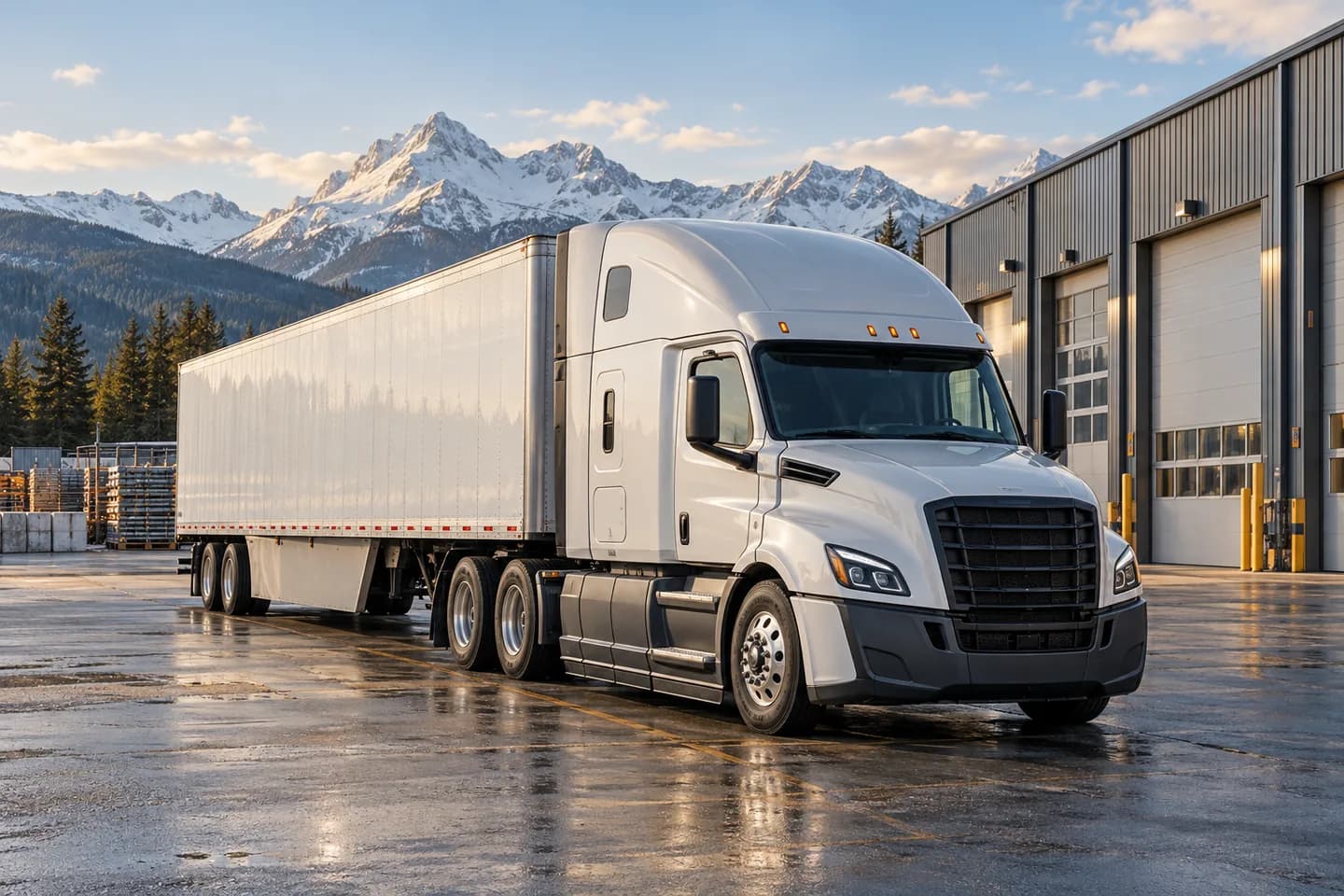
Buy an operation that can keep accepting loads
Buying a trucking business in Ontario means acquiring the ability to deliver freight reliably under the correct operator, with serviceable equipment, qualified drivers and customers willing to continue. A fleet list and a profitable income statement cannot establish those things on their own. Before committing, connect each revenue stream to the contracts, people, vehicles, insurance and registrations that support it.
Start by identifying the actual business: local delivery, interprovincial linehaul, cross-border freight, refrigerated hauling, owner-operator dispatch or a mixture. Separate the carrier's own transportation revenue from brokerage activity and amounts passed through to subcontractors. Each model creates different transition risks.
Use the Ontario business purchase checklist for the wider transaction, then add the trucking-specific requests below. This guide provides general information; obtain legal, accounting, insurance and transportation compliance advice for the particular purchase.
For the broader purchase process and other sectors, visit the business acquisition hub and industry guide directory.
Your acquisition review map
Explore the key checksMatch the CVOR holder to the deal structure
Ontario's Highway Traffic Act expressly makes a Commercial Vehicle Operator's Registration certificate non-transferable. Treat the CVOR as belonging to its registered operator, rather than as an asset that comes with the trucks. An asset purchaser becoming the operator cannot simply use the seller's certificate. Identify the buyer's registration requirements before promising uninterrupted service. See the Highway Traffic Act's CVOR provisions.
In a share purchase, the corporation normally remains the same legal entity despite different shareholders. That distinction may preserve the identity of the registered operator, but it also leaves the corporation's existing liabilities and safety history in place. Verify the certificate's legal name, validity, conditions and relationship to the entity being purchased. An amalgamation, restructuring or purchase from a sole proprietor requires its own analysis.
Ontario's CVOR guidance identifies corporate officer, contact, fleet and travel information among the changes operators must keep updated. Agree who will complete the applicable updates and confirm the transaction's treatment with MTO; a share transfer and a change of operator are different events.
Use the asset versus share sale comparison tool to frame the discussion. The purchase agreement should make the required operating arrangements a closing condition. A seller's promise to indemnify the buyer cannot authorize the buyer to operate.
Read the safety record behind the rating
Ask for the current carrier safety rating, a detailed carrier CVOR abstract, inspection reports, collision files and all correspondence about audits, sanctions or proposed restrictions. Investigate the underlying events and corrective action. A favourable summary rating does not answer whether the maintenance manager left, inspection failures are increasing or an unresolved proceeding threatens capacity.
Request a representative sample of driver and vehicle files, followed by expanded review where gaps appear:
- Driver licence classes, endorsements, current status, abstracts and relevant qualification records.
- Training records, collision reviews, disciplinary follow-up and documented safety procedures.
- Hours-of-service records, electronic logging data and supporting dispatch records.
- Inspection reports, repair invoices, defect reports and evidence defects were resolved.
- Maintenance schedules matched to actual vehicle usage.
Have a transportation compliance specialist compare the records with actual dispatch practices. Interview the person who controls driver assignments and repairs. A policy manual has little acquisition value if dispatchers routinely override it. Secure lawful access to necessary records while limiting unnecessary disclosure of drivers' personal information during diligence.
Prove ownership and clear fleet financing
Build a vehicle schedule that identifies each tractor, straight truck, trailer and major accessory by VIN or serial number. Record its legal owner, location, mileage, lease or loan balance, maintenance condition and proposed treatment at closing. Trucks operated by independent owner-operators may support the seller's revenue without being assets the seller can convey.
Have counsel arrange appropriate Personal Property Security Act searches against the relevant debtors and vehicles, and investigate other applicable repair or storage claims. Ontario's Personal Property Security Registration system helps identify registered security interests; obtaining a vehicle permit is not a substitute for examining financing. Review general security agreements as well as equipment-specific loans.
For equipment being delivered free of financing, obtain lender payout statements and a workable release and discharge process. For assumed leases, secure the lessor's consent and check residual values, mileage charges, maintenance obligations and personal guarantees.
Commission independent mechanical inspections and reconcile findings with the seller's repair budget. Deferred engine work or refrigeration-unit replacement belongs in the acquisition economics. Add each vehicle and financing document to the interactive due diligence checklist so nothing disappears into a single fleet-value figure.
For a transport operation tied to a production business, read buying a manufacturing business alongside this guide. Buyers comparing other businesses that rely on a fleet can also review buying a landscaping business for equipment ownership and route-contract questions.
Test whether customers and brokers will stay
Review customer and freight broker agreements alongside load confirmations, rate schedules, invoices and cash receipts. Determine how much freight is contractually committed, how much is awarded through tenders, and how much depends on the seller's relationships or spot-market bookings. A lane used regularly is not necessarily a guaranteed source of future loads.
Identify assignment restrictions, change-of-control clauses, termination rights, onboarding requirements and safety or insurance standards. An asset deal may require a new carrier agreement; a share deal may still trigger a contractual notification or consent. Obtain material approvals before closing where the transaction depends on them.
Recalculate contribution by customer and lane after fuel, driver compensation, empty kilometres, tolls, repairs and subcontractor costs. Separate fuel surcharges from underlying rates and investigate unpaid detention, rejected accessorial charges and deductions for cargo disputes.
Review factoring and receivables financing arrangements. Establish who owns outstanding invoices, who may collect them and which customer payments must go to a lender. A business can appear busy while its cash is tied up in disputed receivables or committed to financing repayments.
Connect cargo claims to insurance coverage
Request insurer loss runs, open claims, customer demands, deductible payments and notices of cancellation or reservation of rights. Include cargo damage, theft, temperature excursions, collisions, trailer damage and warehouse incidents where relevant. Compare the seller's claims schedule with customer deductions and legal correspondence.
Ask an insurance broker to review coverage for the proposed operator, fleet, territories, cargo types and subcontracting arrangements. Examine exclusions, deductibles, limits and conditions for refrigerated goods, unattended vehicles and high-value loads. A certificate of insurance is only a summary; it does not establish that every promised contractual indemnity is insured.
Allocate responsibility for freight collected before closing but delivered afterwards, and for claims discovered after the ownership change. Confirm which policy may respond and preserve the evidence and reporting access needed to pursue it. In a share deal, historical claims remain a corporate exposure. In an asset deal, contractual allocation still needs to be assessed against applicable law and the buyer's actual operations.
Assess drivers and the correct labour jurisdiction
Do not assume every Ontario trucking employer falls under Ontario employment standards. The federal government's list of federally regulated industries includes road transportation services that cross provincial or international borders. Determine jurisdiction from the actual undertaking and its operations, with advice where the structure or integration of services makes the answer uncertain. An Ontario head office alone does not resolve it.
Once jurisdiction is established, review employment agreements, compensation practices, hours, vacation, benefits, leave obligations, termination exposure, collective agreements and applicable workers' compensation arrangements. Assess continuity and successor obligations under the relevant regime before designing offers or allocating employee costs.
Examine owner-operator and incorporated-driver arrangements on their facts. An invoice or corporate name does not, by itself, settle worker classification. Reconcile deductions, equipment arrangements and who actually controls the work.
Identify the dispatchers, safety personnel, mechanics and drivers needed to maintain capacity. Build retention costs into the forecast and determine who will manage safety decisions immediately after closing.
Secure the yard, repair space and operating systems
Confirm that the business can keep using its yard, terminal and repair facilities for the intended activities. Review the lease's assignment and change-of-control terms, permitted use, parking capacity, access, repair obligations and any rights to store fuel or maintain vehicles. Landlord consent and replacement guarantees may become separate closing deliverables. Address these through the commercial lease negotiations.
Investigate site condition, spills, fuel tanks and environmental reports appropriate to the property's history. An asset purchase should not be treated as automatic protection from environmental obligations.
Check control of dispatch software, electronic logging subscriptions, telematics, telephone numbers and customer portals. Obtain provider-approved account arrangements and usable data exports. Losing dispatch history or vehicle access credentials can disrupt service even when the trucks and customer agreements are ready.
Treat United States operations as a separate workstream
A CVOR does not establish that the buyer has every authorization needed for United States operations. Inventory the seller's USDOT registration, any required operating authority, insurance filings, customs arrangements and customer-specific cross-border approvals. Have a qualified adviser assess what the intended legal operator and freight activity require.
The FMCSA's guidance on corporate transactions distinguishes USDOT numbers, which belong to the assigned legal person, from operating authority arrangements. A corporation that continues after a share purchase may retain its USDOT number while updating its records. A different legal entity cannot simply use that number. Operating authority treatment requires separate consideration of the transaction and continuing safety management.
Do not price an advertised MC number as a freely transferable commodity. Confirm active status and the necessary transaction steps directly. Where the operation uses apportioned registration or fuel-tax accounts, have the relevant administrators confirm the buyer's arrangements and records requirements. Build any approval-dependent cross-border capacity into the closing plan and revenue forecast.
Translate diligence findings into price and conditions
Separate the price for equipment from the price for customer relationships and operating goodwill. Agree how receivables, fuel, prepaid expenses, financed debt, accrued payroll and loads in transit affect the closing adjustment. Define which claims and obligations are assumed and which remain the seller's responsibility. Contractual allocation does not override statutory liability or bind a regulator.
A holdback, specific indemnity or contingent payment may address identified risk, but each requires clear triggers, evidence and a realistic recovery mechanism. Avoid paying full goodwill value for freight a customer has not agreed to continue.
Hypothetical issue: A buyer offers to acquire a local fleet and its largest distribution account. Diligence shows the trucks are financed, the customer can terminate on a sale, and the seller's personal relationship generates most bookings. The buyer could require lender releases, customer confirmation and a defined transition commitment before closing, then revise the price if the expected freight is not secured. This is an illustration, not a reported client transaction.
Address these dependencies using the guidance on what to include in a purchase letter of intent before negotiating the detailed agreement.
Questions buyers ask about trucking acquisitions
Can I buy the trucks and keep using the seller's CVOR?
Not simply because the trucks were sold. The certificate is non-transferable and belongs to its operator. Establish the correct operator and required registration before operating after closing.
Does a share purchase remove the need for diligence?
No. The corporation continues with its history and obligations. Review safety matters, financing, contracts, insurance and claims, and identify required regulatory updates and contractual consents.
Are all Ontario trucking employees federally regulated?
No. Jurisdiction depends on the actual undertaking and operations, including interprovincial or international transportation and relevant integration issues. Confirm the applicable regime before assessing employment liabilities and transition arrangements.
Close around the first dispatch under new ownership
Prepare a closing schedule showing the legal operator, insured vehicles, retained drivers, customer approvals, lender releases and premises access needed for the first loads. Assign responsibility for each outstanding item. If required operating arrangements are incomplete, resolve them before releasing the purchase funds and starting the affected work.
Record which loads are in transit, who invoices them, where supporting records are stored and who handles a delivery exception or cargo complaint. Arrange lawful transfer of records and approved system access, plus a defined seller handover for customers, dispatch and compliance. Reconcile the final fleet physically against the purchase schedule.
Lamba Law can help structure the purchase, negotiate conditions and coordinate the legal closing requirements with your advisers. Explore legal help with buying a business or contact Lamba Law to discuss a proposed trucking acquisition.
Primary sources
This guide was checked against the following legislation, regulator guidance, and government materials. Requirements can change after the date shown above.
- Highway Traffic Act: commercial motor vehicles and CVOR certificates — Government of Ontario, e-Laws
- Commercial vehicle operator's registration (CVOR) — Ontario Ministry of Transportation
- Register a security interest or search for a lien on Access Now — ServiceOntario
- List of federally regulated industries and workplaces — Employment and Social Development Canada
- Do not sell, purchase, or lease a USDOT or MC number — United States Federal Motor Carrier Safety Administration
Lamba Law
Discuss Your Business Purchase
Ask about this topic in a free initial consultation. We’ll carry the guide and relevant service into your request, so you won’t need to start from scratch.
Prepared by Lamba Law
This article provides general legal information, not advice for a particular matter. Legal, tax, valuation, regulatory, and foreign-law questions should be reviewed by the appropriate professional.